
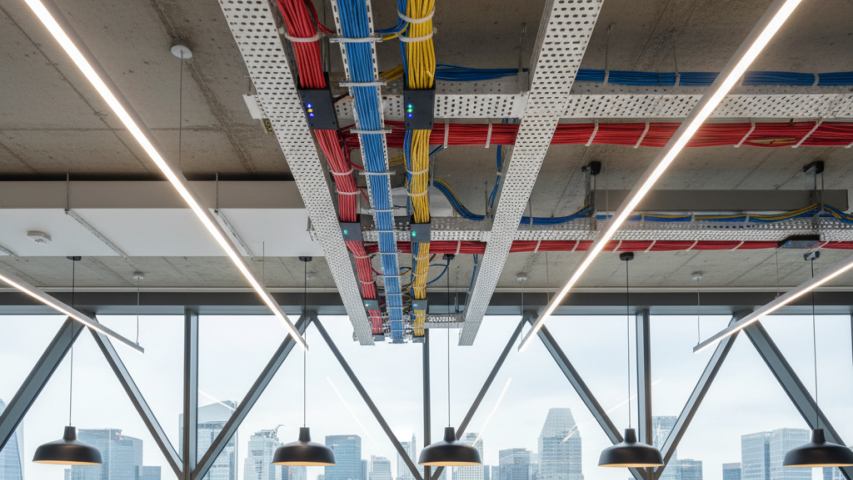
Have you ever seen a lighting install that looked flawless, only to find the electrical system behind it was failing to keep up? In Singapore’s fast-evolving built environment, where smart buildings and sustainability elevate expectations, lighting is no longer just about fixtures. Integrating electrical systems into lighting projects is the next phase and skipping it could risk performance, cost and long-term value.
From Fixtures to Full Systems
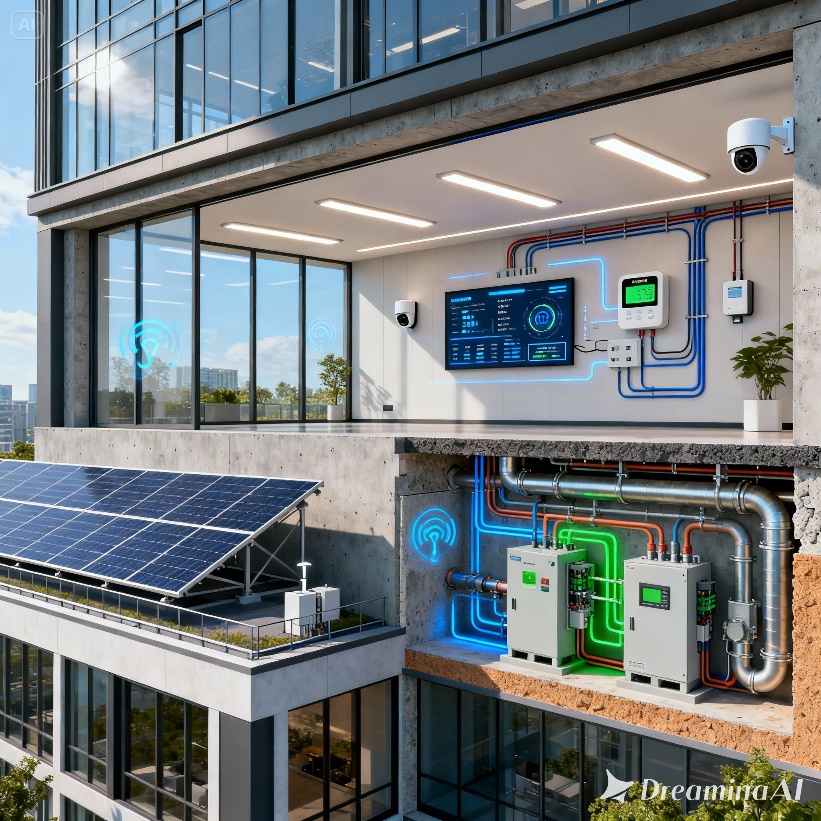
Lighting used to be a matter of selecting luminaires and wiring them up. Now, as lighting merges with power distribution, controls, IoT and energy-management systems, lighting consultancy services Singapore must tie in lighting design consultant Singapore, electrical engineers and lighting supply partners seamlessly. A key study found that integrating daylighting and electric lighting systems in a holistic way improves both user comfort and energy efficiency. In Singapore’s context, high-rise and mixed-use projects with tight MEP coordination, planning for the electrical integration is essential for commercial lighting design Singapore, residential lighting consultant Singapore and large-scale lighting-supply work.
Why Electrical Integration Delivers Value

When lighting and electrical systems are integrated well, you get:
- Better alignment between lighting zones and power circuits, so fewer overloads, better maintenance and smoother commissioning.
- Enhanced capability for smart lighting Singapore systems: sensors, controls, connectivity and data all rely on power architecture being designed to support them. A U.S. DOE study on connected lighting systems confirmed that successful integration requires the lighting designer to work alongside the electrical contractor from the early stages.
- More sustainable, reliable performance: when lighting supply, electrical wiring, control systems and architecture are aligned, the project supports energy efficient lighting Singapore, sustainable lighting solutions Singapore and helps meet standards like BCA Green Mark lighting Singapore.
Practical Steps for the Next Phase
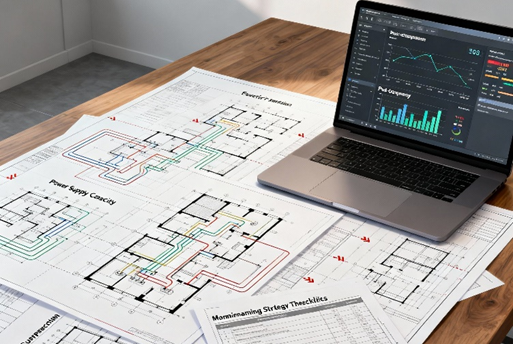
For a company like Luminex moving from lighting supply to full electrical provider solutions, actionable steps include:
- Engage a professional lighting consultancy Singapore early in the MEP design phase, not just during fit-out.
- Map out the electrical infrastructure to support the lighting control systems: power supply capacity, circuit zoning, future-proofing for IoT, wiring paths, surge protection, and commissioning strategy.
- Coordinate between architectural, lighting and electrical teams so that fixtures, wiring runs, control networks and building management systems align seamlessly.
- Prioritise documentation, handover and training, lighting integration isn’t complete once installation is done; commissioning and system tuning matter. The research shows that post-occupancy evaluation of integrated lighting and electrical systems is critical.
Let’s Talk About It
As lighting becomes an increasingly strategic and integrated component of buildings, how prepared are you for the electrical dimension of your next project? If you’ve been through a project where electrical integration made (or broke) the lighting outcome, share your lessons below. I’d love to hear how others in Singapore are managing this next phase.
References:
- “Daylighting and Electric Lighting Integration,” U.S. Department of Energy. https://www.energy.gov/eere/ssl/daylighting-and-electric-lighting-integration
- Thomson, G. D., Davis, R. G., Fernandes, L., & Wang, T. “Achieving Integrated Daylighting and Electric Lighting Systems: Current State of the Art and Needed Research.” Energies. 2021. https://www.mdpi.com/1996-1073/14/13/3833
- “Connected Lighting Systems Stakeholders Research Study,” U.S. Department of Energy. https://www.energy.gov/sites/default/files/2021-09/ssl-connected-lighting-systems-stakeholders-research-study-sept21.pdf
- IEA SHC Task 61 / EBC Annex 77: “Integrated Solutions for Daylighting and Electric Lighting — A Procedure to Post-Occupancy Evaluation of Daylight and Electrical Lighting Integrated Projects.” https://task61.iea-shc.org/Data/Sites/1/publications/IEA-SHC-Task61--Technical-Report-D2-Evaluating-integrated-lighting-projects.pdf