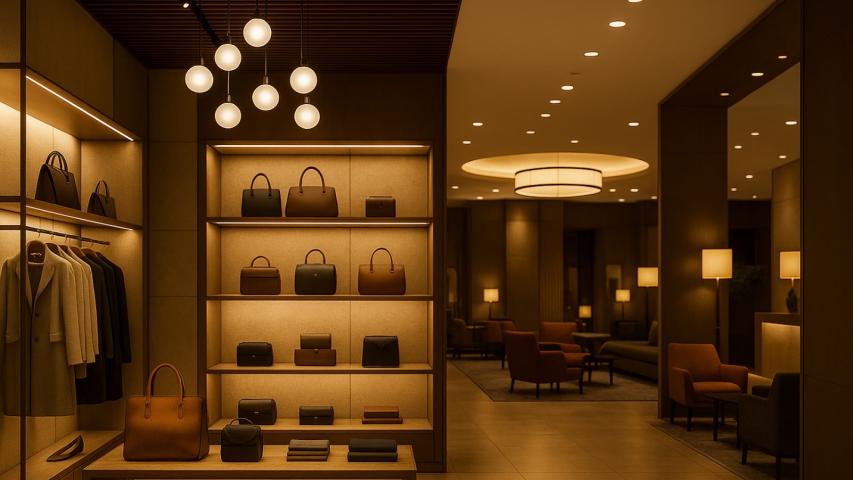
Think about the last time you walked into a store or hotel lobby. Did you feel the brand’s personality before you even saw a logo or read a sign?
In Singapore’s fast-moving retail and hospitality market, lighting is often the quiet element that makes a brand unforgettable. It is not just about brightness. It is about how people feel, how they interact, and whether they choose to stay, buy, or return.
Lighting as a Brand Language
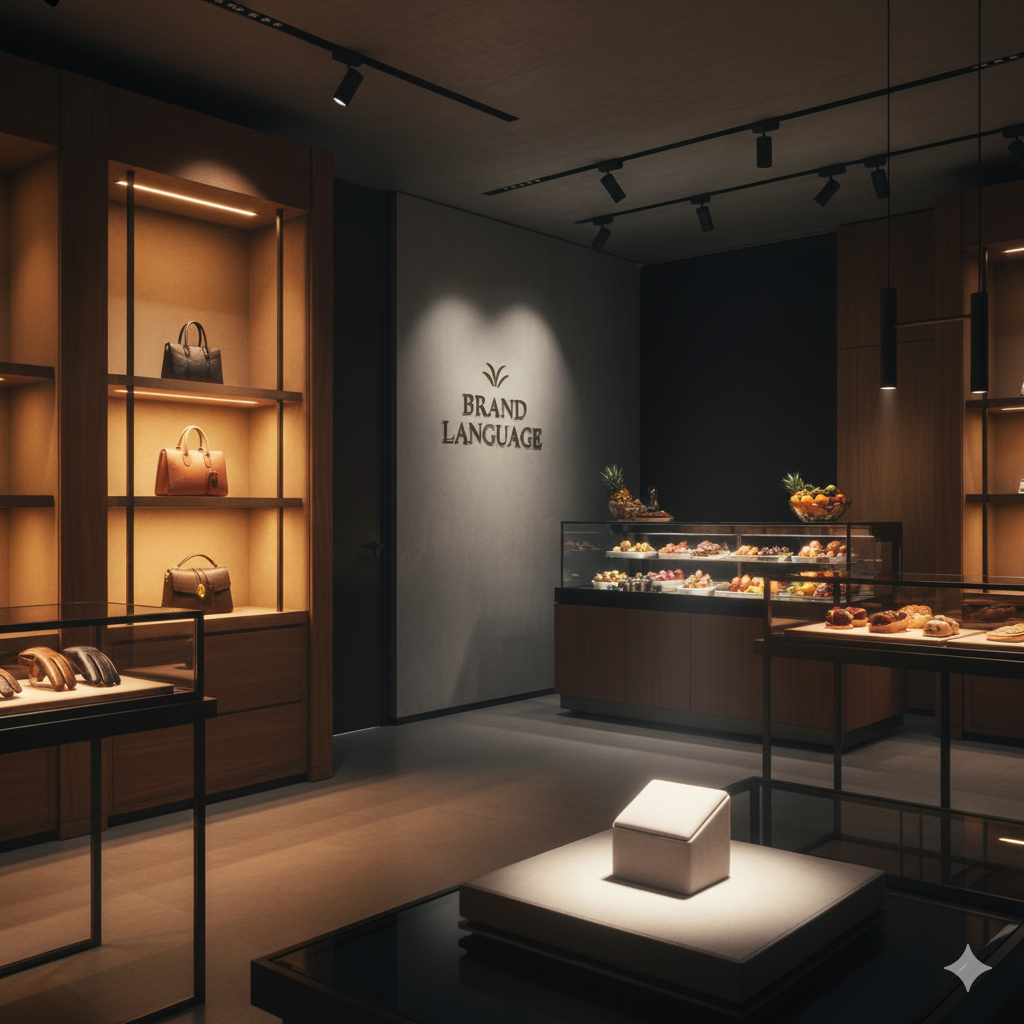
Lighting is part of how brands speak. Warm golden tones signal luxury and exclusivity. Bright white light gives a sense of modernity and transparency. Research shows that lighting shapes how guests perceive value and whether they want to return. In retail, light defines how products look. A diamond sparkles more under the right spotlight. Leather feels premium when illuminated correctly. Even food looks fresher when displayed with thoughtful lighting.
Customer Experience Through Atmosphere
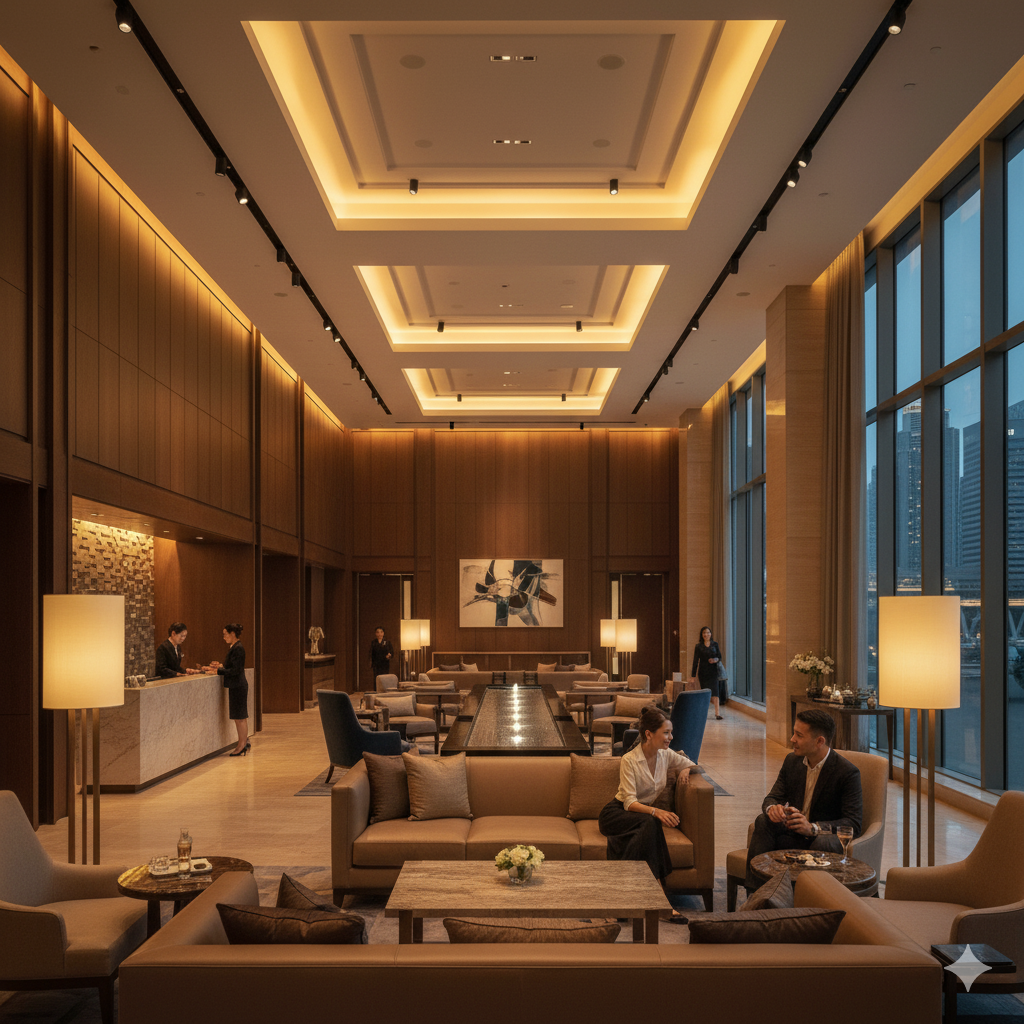
In Singapore’s malls and hotels, atmosphere is a key factor in customer loyalty. Reports highlight that experience drives repeat visits. Lighting sets the tone of that experience. Soft lighting in a lounge creates comfort and relaxation. Focused lighting in a store directs attention to hero products and builds excitement. Poorly designed lighting does the opposite. It creates discomfort, makes spaces confusing, and weakens the brand promise.
The Sales Impact of Good Lighting
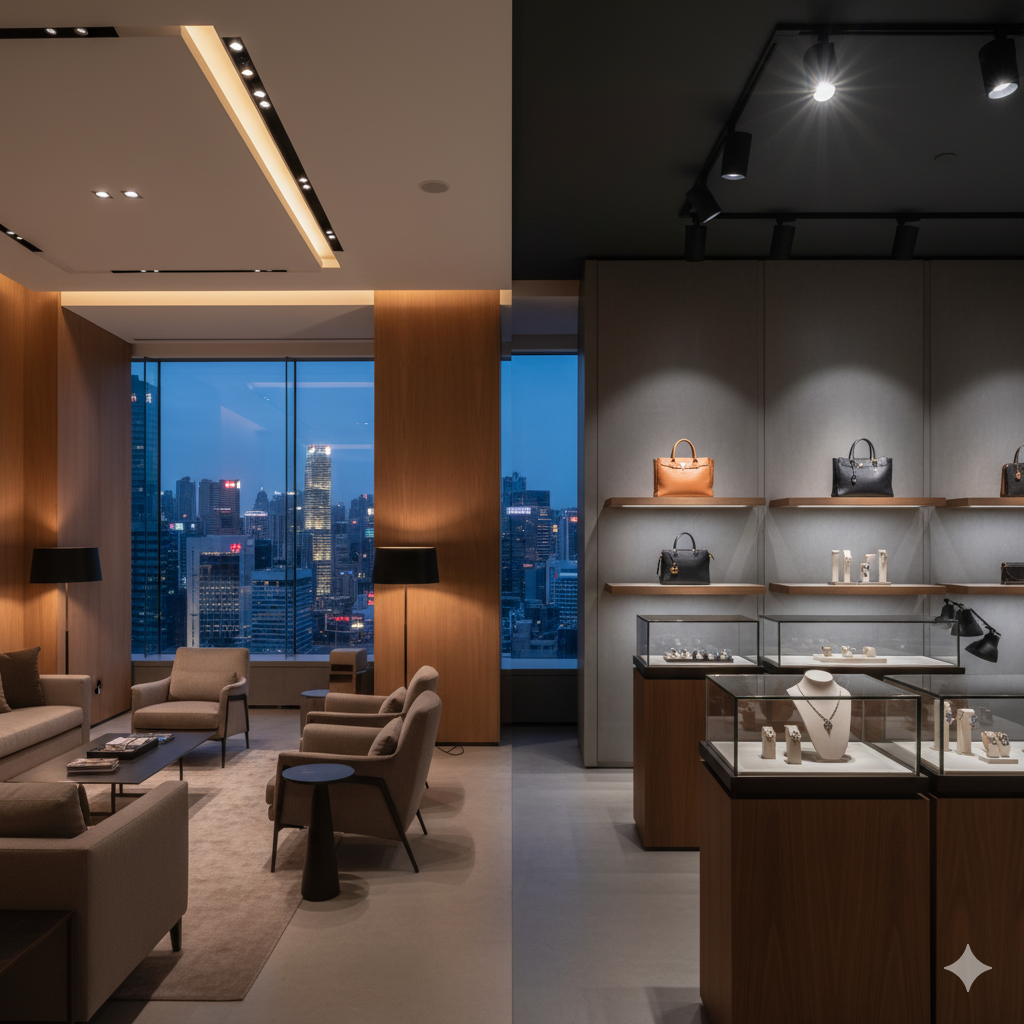
Good lighting is not only about looks. It directly affects sales. Industry studies report that effective lighting can increase retail sales by up to 20 percent. In hospitality, research shows that energy-efficient and well-designed lighting leads to higher guest satisfaction scores and better reviews. For hotels, restaurants, and cafes in Singapore, this means higher occupancy, faster table turnover, and stronger revenue.
Beyond Aesthetics: Energy and Compliance
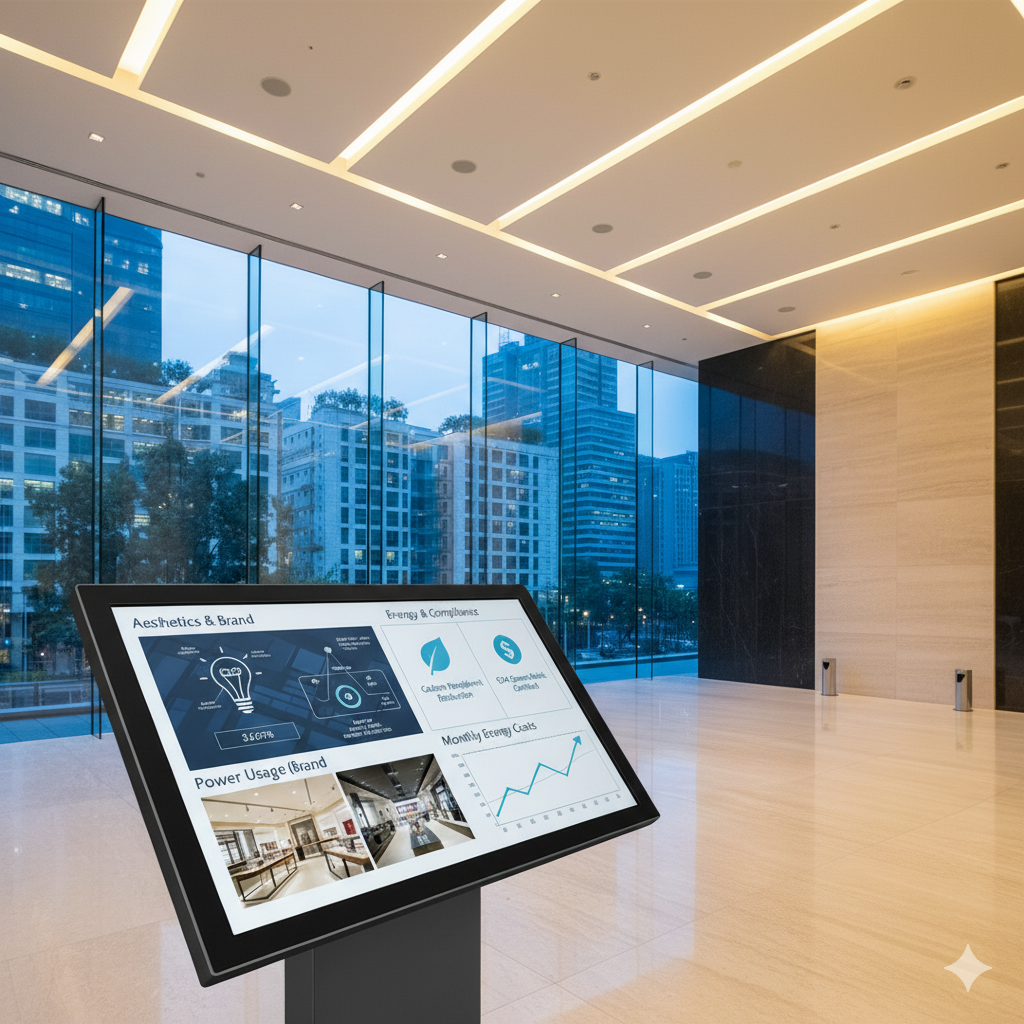
Lighting also carries responsibility. In Singapore, energy standards require businesses to balance compliance and efficiency. This makes efficient lighting both a regulatory need and a business advantage. With professional consultancy, brands can balance compliance, sustainability, and beauty. The result is a space that delights customers while keeping energy bills under control.
Let’s discuss!
In retail and hospitality, lighting is never neutral. It shapes mood, strengthens brand identity, and drives business performance. A well-lit space is more than design. It is strategy.
What about you? Have you ever experienced a store or hotel in Singapore where the lighting completely captured the brand’s identity? Share your thoughts in the comments.
References
- Energy Market Authority (EMA). Singapore Energy Statistics 2025. Data on household electricity consumption.
https://www.ema.gov.sg - National Environment Agency (NEA). Mandatory Energy Labelling Scheme (MELS) and Minimum Energy Performance Standards (MEPS) for lamps.
https://www.nea.gov.sg - Consumer Product Safety Office (CPSO), Enterprise Singapore. Safety Mark and Consumer Protection (Safety Requirements) Regulations.
https://www.consumerproductsafety.gov.sg - Retail Design Institute. The Role of Lighting in Retail Sales Performance.
https://retaildesigninstitute.org - MDPI Sustainability Journal. Lighting Design and Guest Satisfaction in Hospitality Environments.
https://www.mdpi.com - International Journal of Hospitality Management. The Influence of Lighting on Customer Experience.
https://www.sciencedirect.com