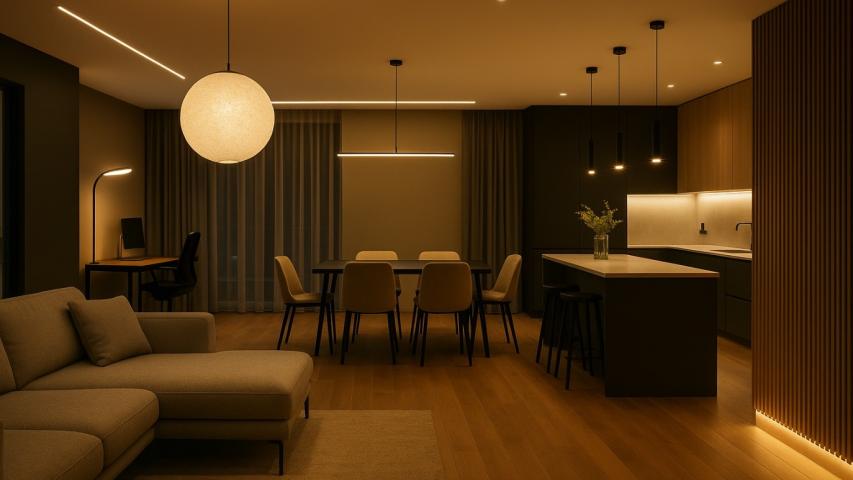
In Singapore, lighting is no longer just about illuminating a room. It has become an important part of how we design spaces, how we save energy, and how we care for health and wellbeing. Both homeowners and businesses are paying closer attention to lighting design because it directly impacts comfort, efficiency, and even property value. Here are the key lighting trends for 2025 that will shape homes, offices, and commercial spaces in Singapore.
1) Human-Centric and Circadian Lighting
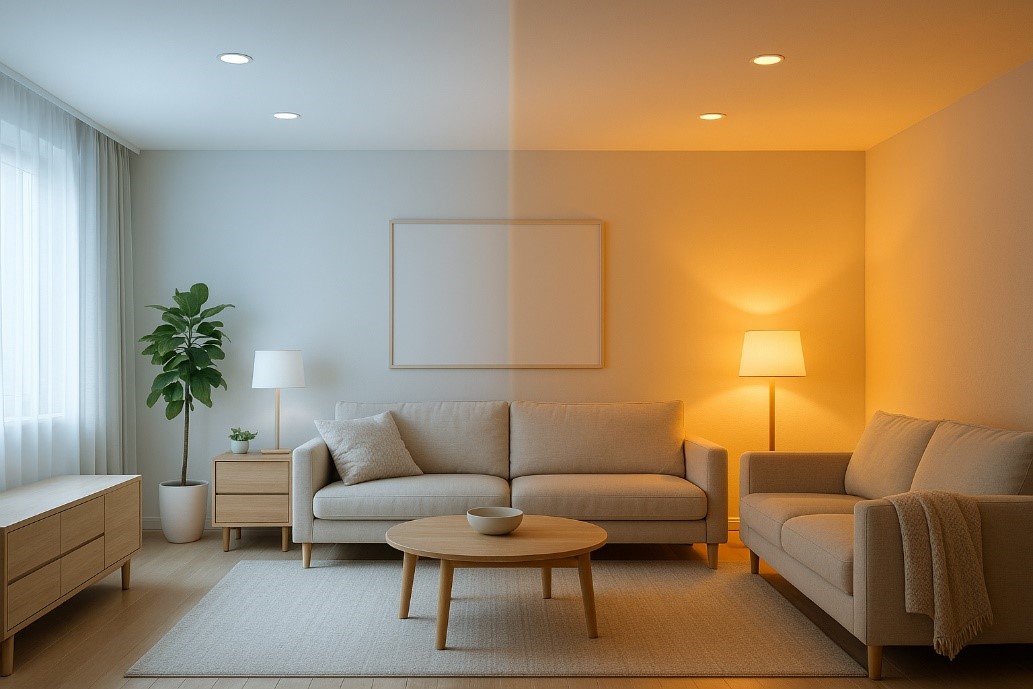
Designers and lighting consultants in Singapore are putting more focus on human-centric lighting. This type of lighting follows our natural circadian rhythm, helping people stay alert during the day and relax at night. The Building and Construction Authority (BCA) Green Mark 2021 and the WELL Building Standard already highlight circadian-supportive strategies. This means future projects will consider not only brightness and efficiency, but also how light affects our body and mind.
2) Stricter Energy Efficiency Standards
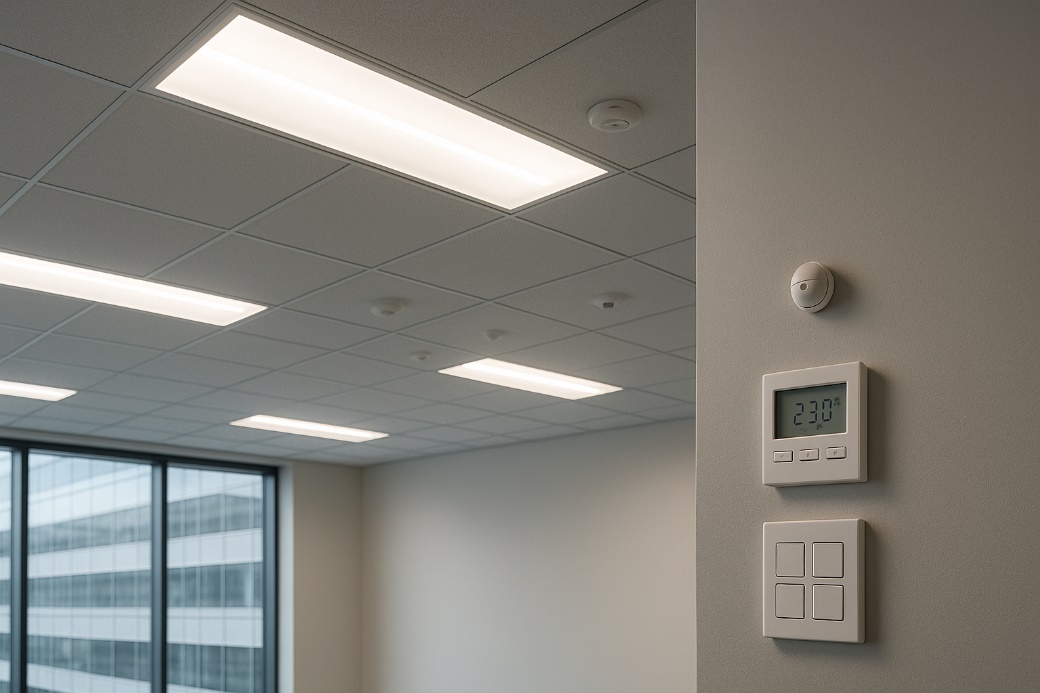
The new SS 530 code that was updated in 2024 makes energy efficiency a stronger requirement. For property owners and developers in Singapore, this means lighting systems must meet stricter performance standards, including lower power density and more advanced control systems. The aim is to reduce long-term operational costs while aligning with Singapore’s sustainability goals.
3) Smart Lighting and Networked Controls
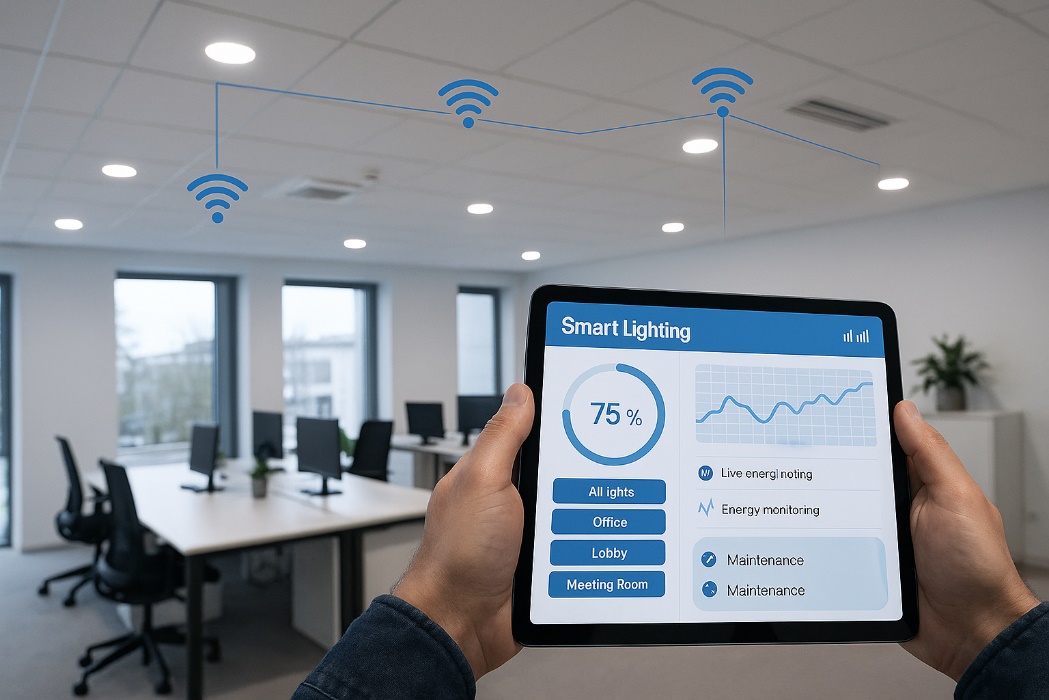
Smart lighting is becoming the new standard. Bluetooth Networked Lighting Control and DALI-2 systems are being used in many projects because they are flexible, scalable, and easy to integrate. These technologies allow building owners to manage lights from one platform, monitor energy use in real time, and even predict maintenance needs before problems occur.
4) Sensor-Driven LED Lighting
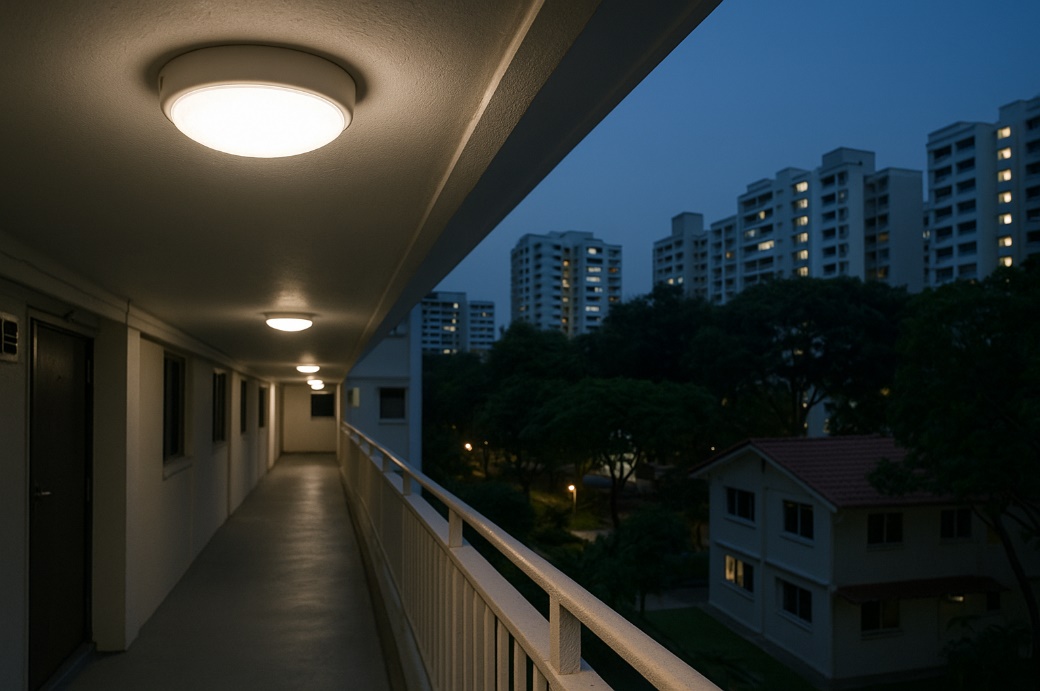
Sensors are now widely used to make LED lighting more efficient. Motion detectors and daylight sensors help reduce wasted energy without sacrificing comfort. For example, Singapore’s HDB Green Towns Programme has introduced smart LED lighting in residential areas, which is expected to cut lighting energy use in common spaces by up to 60 percent.
5) Using Natural Light Together with Artificial Light
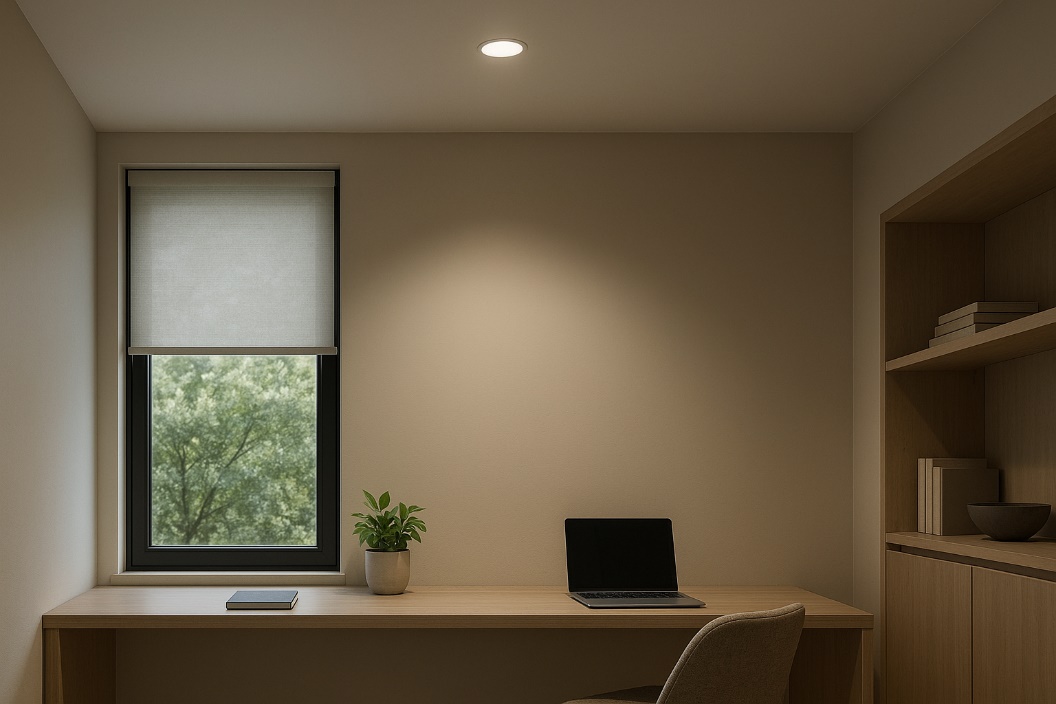
Good lighting design today is not only about artificial light. Architects and consultants now integrate natural light into spaces whenever possible. BCA Green Mark gives credit to designs that keep workstations close to windows. Where natural light is limited, artificial lighting is designed to mimic daylight with adjustable color temperature and high-quality rendering.
6) Better Color Quality with TM-30
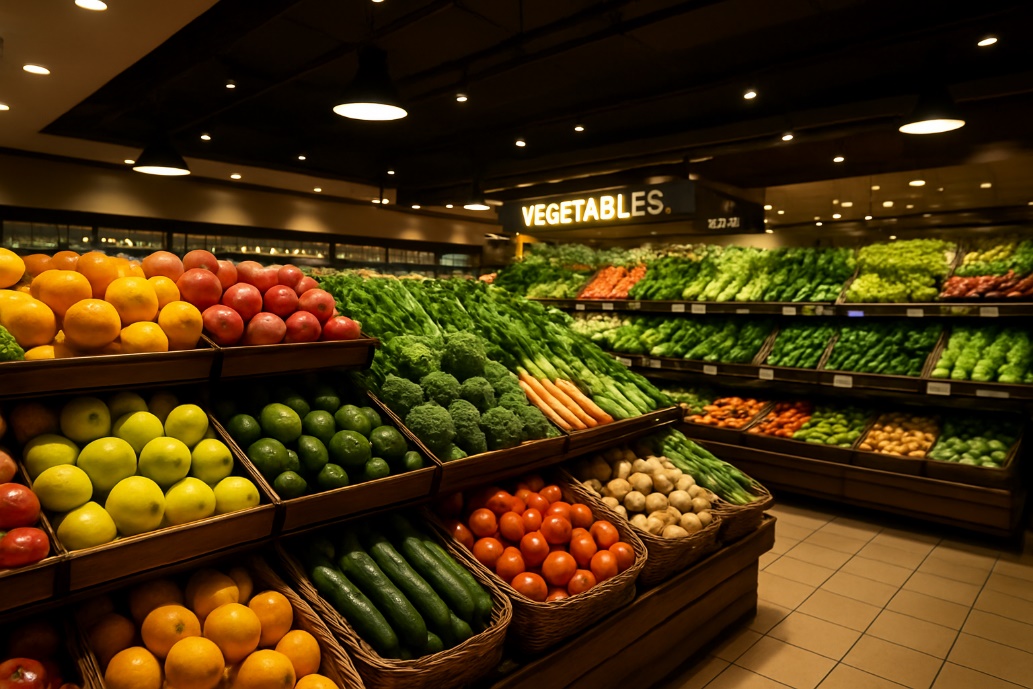
For years, the industry relied on CRI to measure color quality. In 2025, more projects are adopting TM-30 metrics because they give a clearer picture of how colors will look under different lighting. This is especially useful in retail stores, hotels, and luxury homes where accurate color is important to create the right atmosphere.
7) Glare-Free Lighting for Comfort
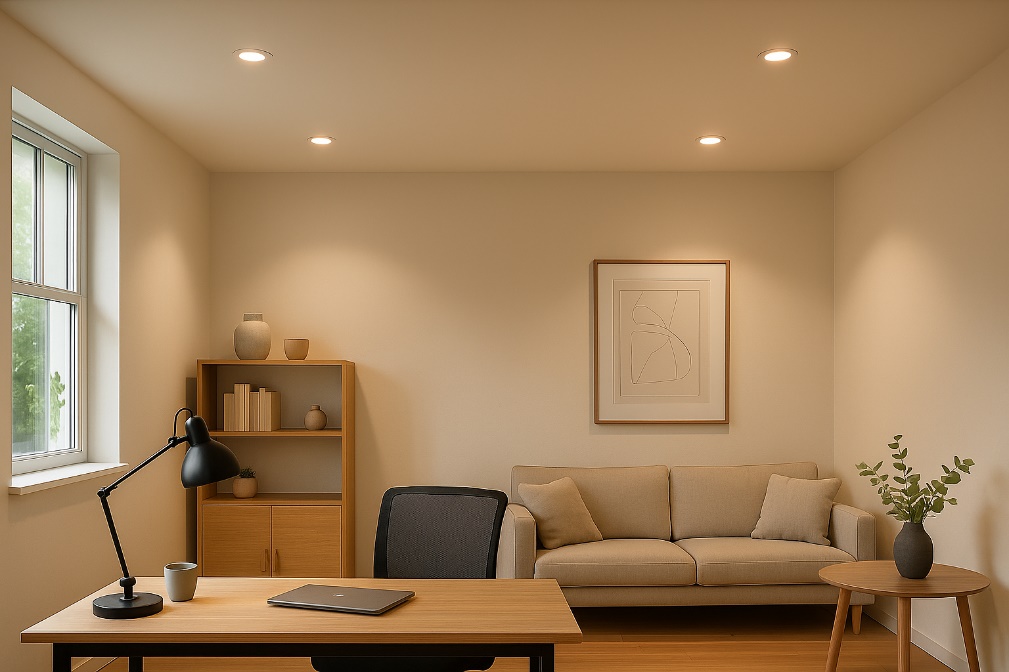
No one likes working or living in a space with harsh glare. Designers are now focusing more on optics, shielding, and beam control to create a comfortable environment. Standards such as WELL and Green Mark encourage projects to choose lighting systems that provide enough brightness without causing discomfort.
8) Tunable White Lighting
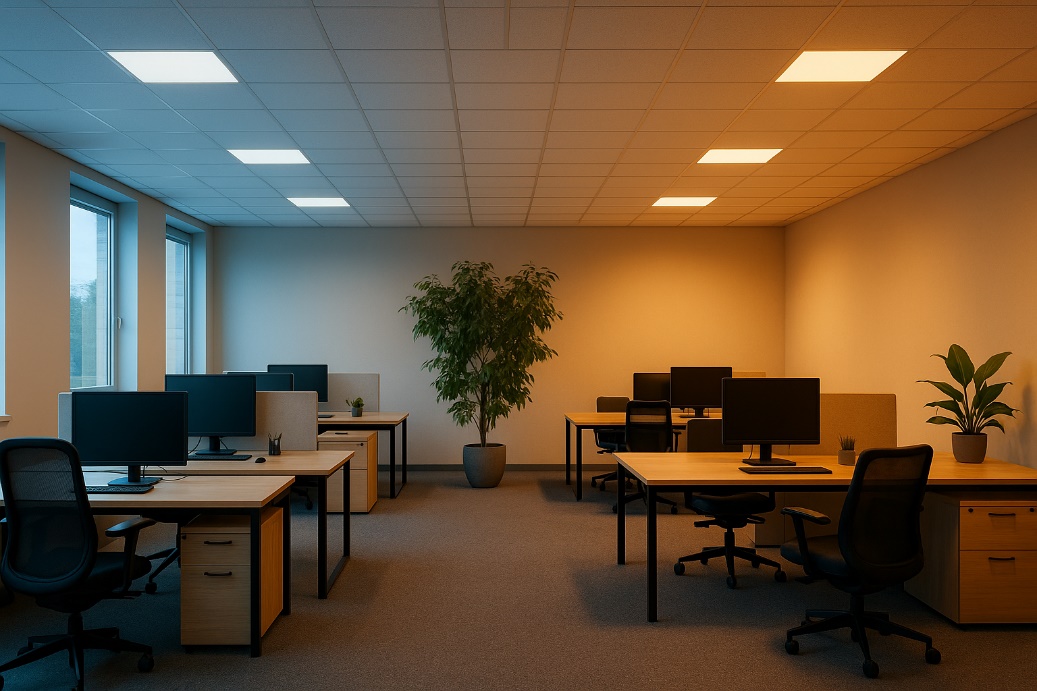
Tunable white lighting, which allows changes from warm to cool tones, is being used more in offices, schools, and healthcare spaces. The system can adjust automatically based on the time of day. In the morning, cooler tones can boost focus, while in the evening, warmer tones can help people relax.
Let’s Talk About the Future of Lighting
In Singapore, the direction is clear. Lighting design must balance human wellbeing, energy savings, and smart technology. For homeowners, this means more comfortable and healthier living spaces. For developers and businesses, it means properties that are future-ready and aligned with national sustainability goals.
What do you think about this shift? Do you see smart lighting and human-centric design as essential investments for every project, or do you feel they are still a luxury for premium developments? Share your thoughts and let’s start a conversation about how lighting design in Singapore will shape the way we live and work in 2025.
References
- BCA Green Mark 2021 – Health & Wellbeing (Simplified)
https://www1.bca.gov.sg/buildsg/sustainability/green-mark-certification-scheme/green-mark-criteria/green-mark-criteria-2021 - Singapore Standard SS 530:2024 – Code of Practice for Energy Efficiency for Building Services and Equipment
https://www.singaporestandardseshop.sg/Product/Product.aspx?id=f1510217-6a9a-4a88-a444-b1c911e6d5ef - HDB Green Towns Programme – Smart LED Lighting
https://www.hdb.gov.sg/cs/infoweb/about-us/news-and-publications/press-releases/launch-of-green-towns-programme - WELL Building Standard – Light Concept
https://v2.wellcertified.com/v/en/light - Bluetooth® Networked Lighting Control (NLC) Overview
https://www.bluetooth.com/learn-about-bluetooth/recent-enhancements/networked-lighting-control/ - DALI Alliance – DALI-2 / IEC 62386 Overview
https://www.dali-alliance.org/dali2/ - IES – TM-30 Resources
https://www.ies.org/standards/committee-reports/tm-30/