
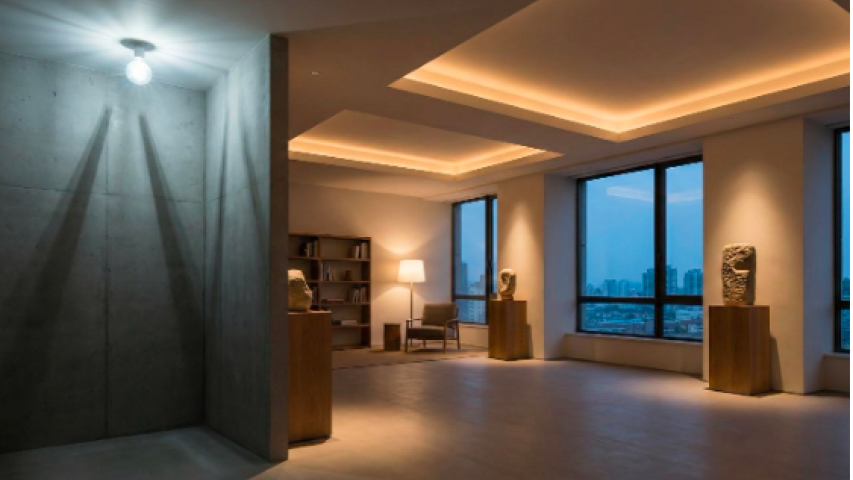
If lighting quality were only about brightness, we would not see so many well-lit spaces that still feel uncomfortable, distracting, or inefficient.
In Singapore’s high-density commercial environment, lighting design plays a deeper role than merely hitting a lux target. It directly influences visual comfort, occupant well-being, productivity, and even energy performance. Thinking of brightness as the goal misses how light should work for people and space functions.
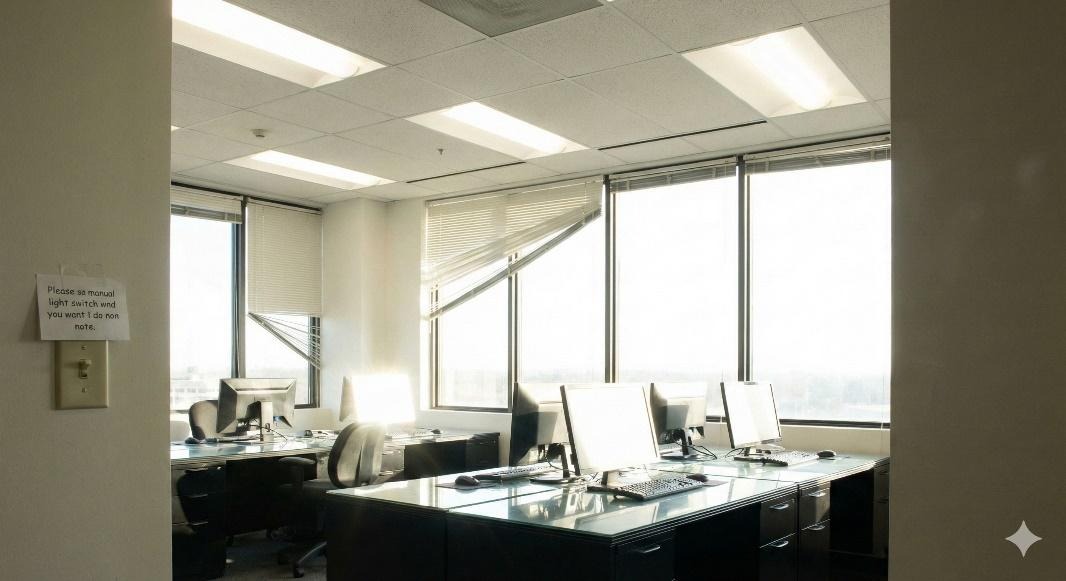
Good lighting design must balance light levels and visual comfort. Research on office lighting shows that over-illumination and poor light distribution can cause discomfort glare, even when overall brightness is high. Glare is more harmful to occupant experience than brightness alone because it forces people to manually adjust blinds or lighting, reducing both comfort and energy savings.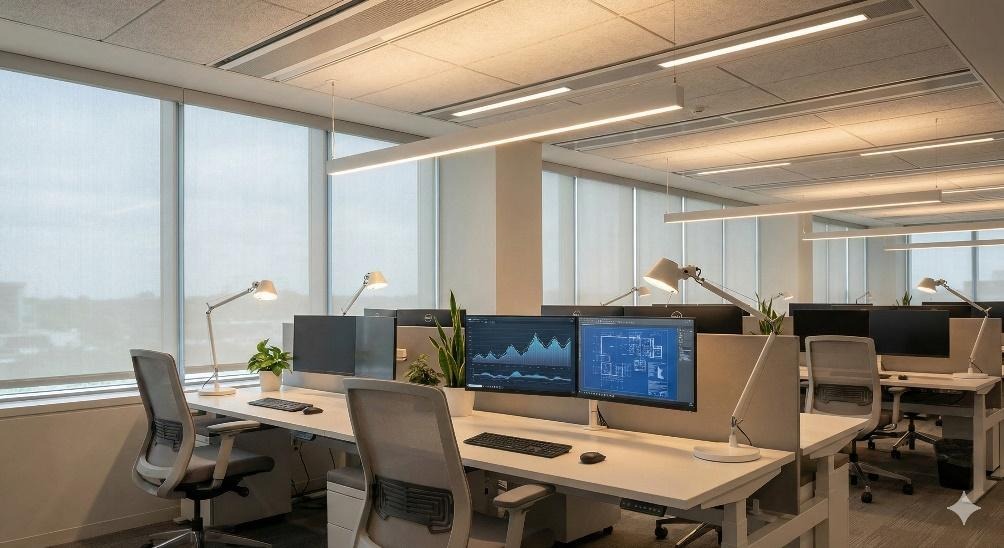
Beyond discomfort glare, lighting quality affects how people perform daily tasks. Studies on office environments have found that optimal lighting — both natural and artificial, supports visual comfort and can positively impact productivity and satisfaction. Lighting designs that merely boost brightness often overlook important factors like contrast, glare control, and daylight integration, which are essential for long hours of cognitive work.
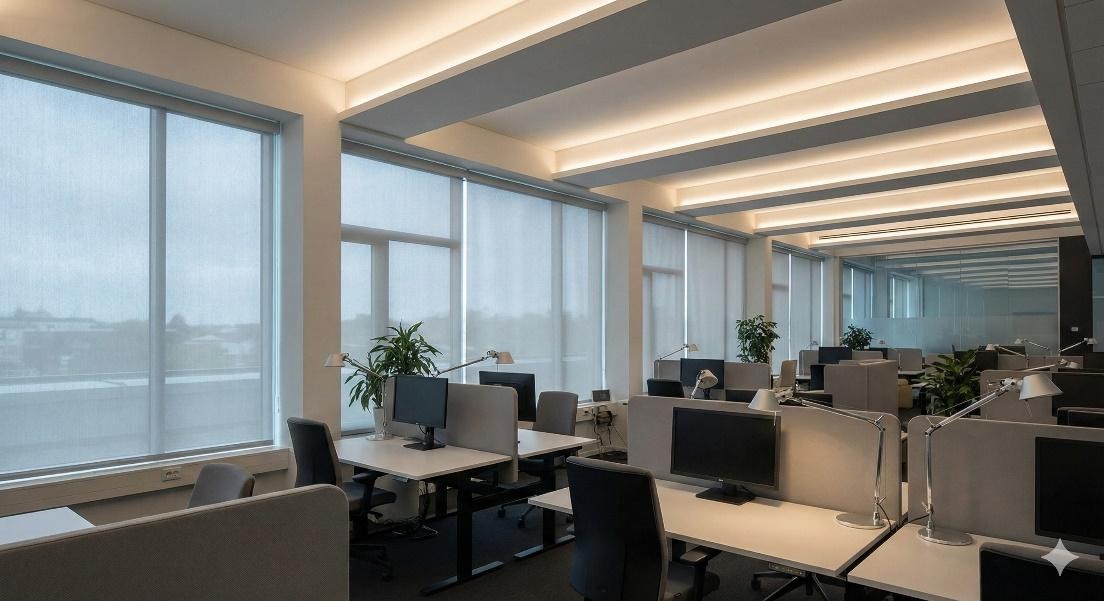
Visual comfort research consistently finds that lighting conditions must align with human perception rather than just technical thresholds. For example, studies evaluating lighting in office settings show that distribution of light, window control, and workspace layout significantly affect whether occupants feel comfortable and focused. These elements, not sheer brightness, are what designers must optimize to meet user needs.
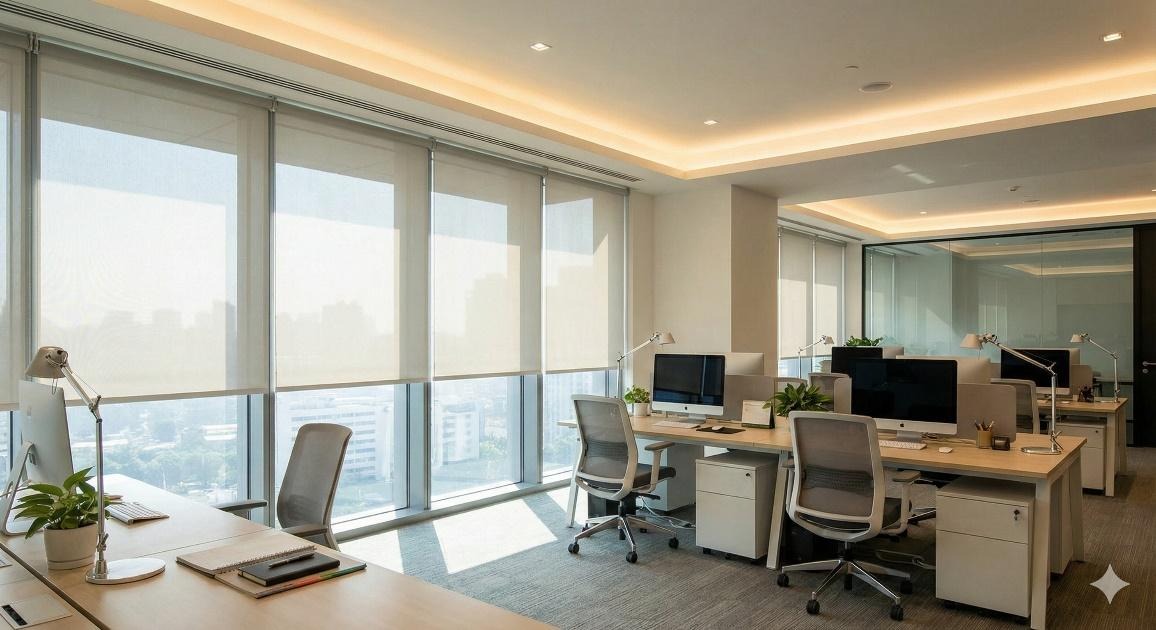
Natural daylight can further enhance comfort and wellbeing when properly integrated with electric lighting. But without careful control, daylight can create high contrast or glare that outweighs brightness benefits. Research shows that balancing daylight with supplementary lighting and shading strategies improves occupant satisfaction and reduces disruptive interventions like blinds and artificial lighting switches.
Good lighting design treats illumination as a system, not a number. It involves understanding how light interacts with space, how users perceive it, and how it supports tasks and comfort throughout the daily cycle. When lighting design considers quality alongside quantity, occupant wellbeing improves, energy waste decreases, and the full potential of a space is realized.
How do you define successful lighting in your projects? Have you seen spaces that were “bright enough” but still uncomfortable? Share your experience in the comments so we can learn from real world practice.
References
- Light level, visual comfort and lighting energy savings potential in a green-certified high-rise building. ScienceDirect. https://www.sciencedirect.com/science/article/pii/S235271021932100X
- The Impact of Lighting on Productivity and Comfort in Interior Environments. WeLight / Specialty Lighting Design Consultants. https://welight.mcw.com/the-impact-of-lighting-on-productivity-and-comfort-in-interior-environments/
- Office Lighting (quality, glare, and visual comfort). Shine Lighting Media. https://www.shine.lighting/media/categories/office-lighting.19/
- An Energy Efficient Lighting Design Strategy to Enhance Visual Comfort in Offices with Windows. MDPI Energies. https://doi.org/10.3390/en10081126